

Ready & Packaged Foods
All →Vegetables & Legumes
All →Desserts & Confectionery
All →Meat & Protein
All →Grains & Bakery
All →Beverages
All →Milk & Dairy
All →

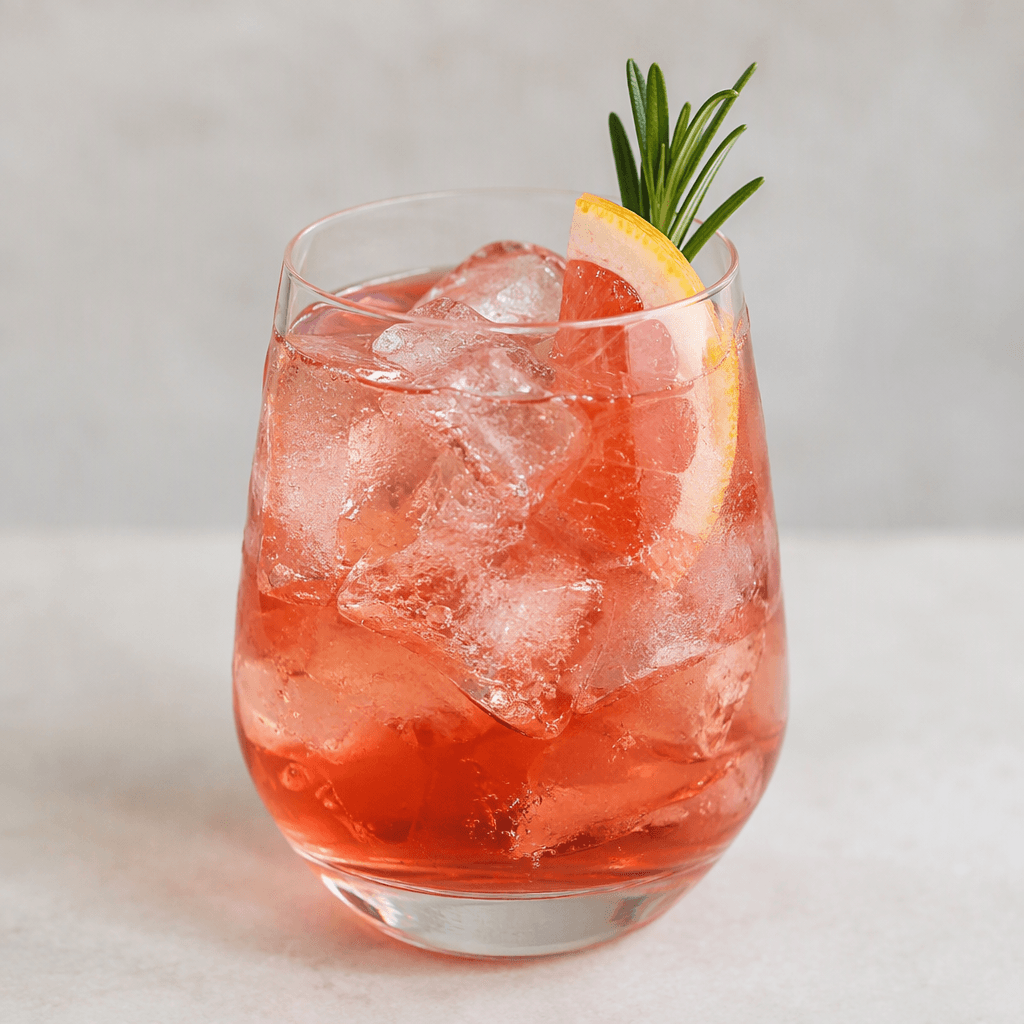
Alcoholic cocktail Calories
Mixed alcoholic drink, often contains spirits, sugar, and fruit flavors.
In season: Spring · Summer · Autumn · Winter
CALORIES
GI
POTASSIUM
FIBER
Quick answer
1 cup (medium) of Alcoholic cocktail (200 g) has 240 calories. That works out to 120 calories per 100 g. It contains 20 g of carbs, 0 g of protein, 0 g of fat and 0 g of fiber. Its glycemic index is 65 (medium), so it raises blood sugar at a moderate pace.
What is Alcoholic cocktail?
An alcoholic cocktail is a mixed drink made by combining a spirit or other alcoholic base with ingredients such as juice, syrup, liqueur, bitters or soda. Recipes vary widely, and cocktails draw on bar traditions from many places rather than having one single point of origin. They may be shaken with ice, stirred, or built directly in the glass.
Around the world, alcoholic cocktails are served at bars, parties and meals, often with small savoury bites. Their flavours range from sweet and fruity to dry, bitter or citrusy, with ice and a garnish adding freshness. Sugar and juice can contribute carbohydrates; this drink has 120 kcal per 100 g, though recipes differ. For a lighter-tasting option, choose one with less syrup and more soda or citrus.
Alcoholic cocktail Nutrition Facts
Selected: 100 g
120
KCAL / 100G
Carbs
10g
· 4% DV
Protein
0g
· 0% DV
Fat
0g
· 0% DV
Fiber
0g
· 0% DV
DV is the share of the daily value covered, on a 2,000 kcal reference diet.
Calories come from: Carbs 100% · Protein 0% · Fat 0%
Alcoholic cocktail Vitamins & Minerals
Vitamins
B1
0.01mg · 1% DV
B2
0.01mg · 1% DV
B6
0.01mg · 1% DV
Vitamin C
1mg · 1% DV
Minerals
Calcium
5mg · 1% DV
Phosphorus
4mg · 1% DV
Potassium ⭐
20mg · 1% DV
Iron
0mg · 0% DV
How Nutritious Is Alcoholic cocktail?
Nutrient density
Low
How many vitamins, minerals and how much fiber this food carries per calorie. A high score means a lot of nutrition for few calories.
Satiety score
Low
An EatBetter score computed from fiber, protein and calorie density. A high score means staying full longer on the same calories.
Both scores are calculated per 100 g and do not change with the selected portion. The satiety score is EatBetter's own calculation, not a clinical measure.
Alcoholic cocktail Glycemic Index
GLYCEMIC INDEX
GLYCEMIC LOAD
Accounts for portion size — a more realistic measure than GI alone.
How to Burn Off Alcoholic cocktail
To burn the 120 calories in 100 g:
🚶
Walking (5 km/h)
🏃
Running (8 km/h)
🚴
Cycling
🏊
Swimming
Times are calculated with the MET equation for a 70 kg adult. Actual burn varies with your weight, age and pace.
Is Alcoholic cocktail Processed?
NOVA 3
Processed
1. Unprocessed
2. Minimally Processed
3. Processed
4. Ultra-Processed
NOVA classifies foods into 4 groups by industrial processing. NOVA 1 (unprocessed) is the healthiest.
Does Alcoholic cocktail Contain Allergens?
No known major allergens
Which Diets Is Alcoholic cocktail Good For?
Vegan
✓ Suitable
Vegetarian
✓ Suitable
Gluten-Free
— Not suitable
Dairy-Free
— Not suitable
Mediterranean
✓ Suitable
Paleo
— Not suitable
Whole30
— Not suitable
DASH
— Not suitable
Keto
— Not suitable
Low FODMAP
— Not suitable
Alcoholic cocktail Fat Profile
SATURATED
0g
MONOUNSATURATED
0g
POLYUNSATURATED
0g
Compare Alcoholic cocktail
Foods Similar to Alcoholic cocktail
Frequently Asked Questions About Alcoholic cocktail
How much alcohol is in an alcoholic cocktail?
The alcohol content of an alcoholic cocktail varies with its recipe, the spirit used, and the pour. Sweet mixers can mask the taste of alcohol, so a cocktail that tastes mild may still contain a substantial amount.
Can an alcoholic cocktail get you drunk faster than beer or wine?
Yes, an alcoholic cocktail can affect you quickly, especially if it contains a generous pour or several spirits. Sweet flavors can also make it easier to drink quickly, so pace yourself rather than judging its strength by taste.
Does an alcoholic cocktail contain a lot of sugar?
Many alcoholic cocktails get added sugar from syrups, liqueurs, juice, or sweetened mixers, though recipes vary. To reduce it, ask for less syrup and choose soda water or fresh citrus instead of a sweet mixer.
Can an alcoholic cocktail affect your sleep?
Yes, an alcoholic cocktail may make you feel sleepy at first but can disrupt sleep later in the night. Drinking close to bedtime can make it harder to get restorative rest.
Does an alcoholic cocktail cause dehydration?
It can contribute to dehydration because alcohol can increase urination, even though a cocktail also contains liquid. Drinking water alongside it supports hydration, but it does not cancel out alcohol's effects.
Can an alcoholic cocktail cause a hangover?
Yes, an alcoholic cocktail can cause a hangover. The risk is linked to the alcohol you drink, and sweet fruit flavors do not reduce its effects. Drinking more slowly and avoiding alcohol altogether are the clearest ways to reduce that risk.
Is an alcoholic cocktail safe to drink during pregnancy?
No, an alcoholic cocktail is not recommended during pregnancy. Juice, soda, or other mixers do not make its alcohol safe; no safe amount of alcohol during pregnancy has been established.
Can you make an alcoholic cocktail ahead of time?
Yes, many alcoholic cocktails can be mixed ahead and chilled, but add ice just before serving so it does not melt and dilute the drink. Cocktails with soda, fresh fruit, or cream may lose their texture or freshness if left too long.
Should an alcoholic cocktail be served with ice?
Often, but not always. Ice chills an alcoholic cocktail and can dilute it as it melts; some cocktails are shaken with ice and strained into a glass instead. Follow the recipe or ask for the serving style you prefer.
What food goes well with an alcoholic cocktail?
Salty snacks, olives, and small savory dishes are common pairings for an alcoholic cocktail. Citrus-forward cocktails can also work well with seafood, while the best match depends on the drink's sweetness, fruit, and spices.
Have another question about Alcoholic cocktail?
Ask the AI nutrition coach — calories, portions, alternatives and more, answered in seconds in the app.

Scan calories with your camera
Instant AI nutrition analysis

Nutrition data compiled from USDA FoodData Central and scientific sources.