

Ready & Packaged Foods
All →Vegetables & Legumes
All →Desserts & Confectionery
All →Meat & Protein
All →Grains & Bakery
All →Beverages
All →Milk & Dairy
All →

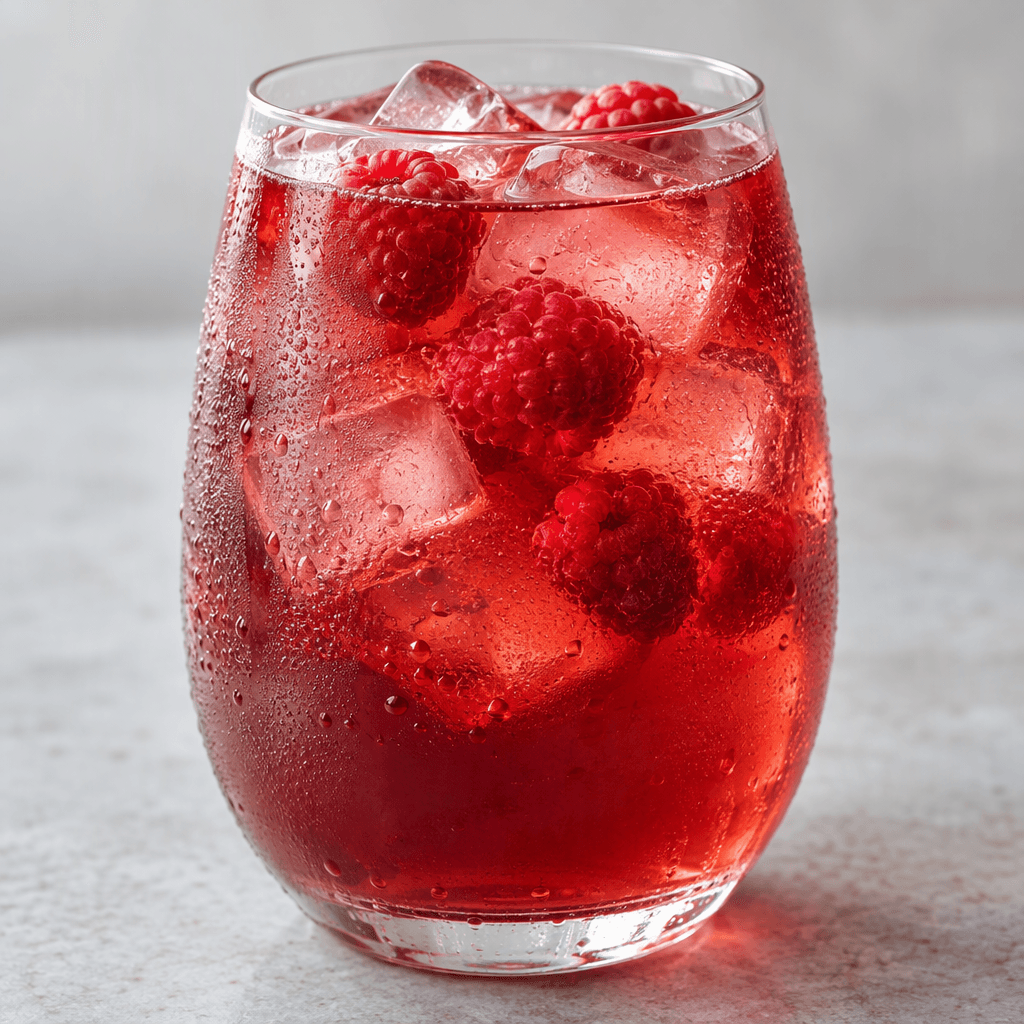
Raspberry iced tea Calories
Sweetened raspberry-flavored iced tea beverage
CALORIES
GI
POTASSIUM
FIBER
Quick answer
1 bottle (medium) of Raspberry iced tea (500 g) has 50 calories. That works out to 10 calories per 100 g. It contains 11.8 g of carbs, 0 g of protein, 0 g of fat and 0 g of fiber. Its 0.4 mg of Manganese covers 17% of the Daily Value. Its glycemic index is 55 (medium), so it raises blood sugar at a moderate pace.
What is Raspberry iced tea?
Raspberry iced tea is a chilled tea drink flavoured with raspberry and sweetened. It may be brewed at home with black or green tea and fruit flavour, while bottled versions are ready to drink; how much real fruit they contain varies by product. Iced tea is especially familiar in the United States, though this style is now sold widely around the world.
Serve it cold on a warm day, with a light lunch or as a sweet alternative to soft drinks. Its flavour is fruity and its texture is thin and refreshing rather than creamy. Nutritionally, it is low in energy, with 10 calories and 2.36 g of carbohydrate per 100 g, and no protein or fat. If you prefer less sweetness, dilute it with plain or unsweetened tea.
Raspberry iced tea Nutrition Facts
Selected: 100 g
10
KCAL / 100G
Carbs
2.4g
· 1% DV
Protein
0g
· 0% DV
Fat
0g
· 0% DV
Fiber
0g
· 0% DV
DV is the share of the daily value covered, on a 2,000 kcal reference diet.
Calories come from: Carbs 100% · Protein 0% · Fat 0%
Raspberry iced tea Vitamins & Minerals
Vitamins
B1
0.01mg · 1% DV
B2
0.01mg · 1% DV
B3
0.1mg · 1% DV
B6
0.01mg · 1% DV
Minerals
Calcium
2mg · 0% DV
Iron
0mg · 0% DV
Magnesium
1mg · 0% DV
Zinc
0mg · 0% DV
How Nutritious Is Raspberry iced tea?
Nutrient density
Low
How many vitamins, minerals and how much fiber this food carries per calorie. A high score means a lot of nutrition for few calories.
Satiety score
Medium
An EatBetter score computed from fiber, protein and calorie density. A high score means staying full longer on the same calories.
Both scores are calculated per 100 g and do not change with the selected portion. The satiety score is EatBetter's own calculation, not a clinical measure.
Raspberry iced tea Glycemic Index
GLYCEMIC INDEX
GLYCEMIC LOAD
Accounts for portion size — a more realistic measure than GI alone.
How to Burn Off Raspberry iced tea
To burn the 10 calories in 100 g:
🚶
Walking (5 km/h)
🏃
Running (8 km/h)
🚴
Cycling
🏊
Swimming
Times are calculated with the MET equation for a 70 kg adult. Actual burn varies with your weight, age and pace.
Is Raspberry iced tea Processed?
NOVA 3
Processed
1. Unprocessed
2. Minimally Processed
3. Processed
4. Ultra-Processed
NOVA classifies foods into 4 groups by industrial processing. NOVA 1 (unprocessed) is the healthiest.
Does Raspberry iced tea Contain Allergens?
No known major allergens
Which Diets Is Raspberry iced tea Good For?
Vegan
✓ Suitable
Vegetarian
✓ Suitable
Gluten-Free
✓ Suitable
Dairy-Free
— Not suitable
Mediterranean
✓ Suitable
Paleo
— Not suitable
Whole30
— Not suitable
DASH
— Not suitable
Keto
— Not suitable
Low FODMAP
— Not suitable
Raspberry iced tea Fat Profile
SATURATED
0g
MONOUNSATURATED
0g
POLYUNSATURATED
0g
Compare Raspberry iced tea
Foods Similar to Raspberry iced tea
Frequently Asked Questions About Raspberry iced tea
Does raspberry iced tea contain caffeine?
Raspberry iced tea can contain caffeine when it is made with black or green tea. The amount varies by product, so choose one specifically labeled caffeine-free if you need to avoid caffeine.
Does raspberry iced tea contain real raspberries?
Not necessarily; raspberry iced tea may get its flavor from flavorings rather than whole fruit or raspberry juice. If you want a fruit-containing drink, look for raspberry or raspberry juice in the ingredient list.
Is raspberry iced tea healthier than soda?
Not automatically; sweetened raspberry iced tea and soda can both add sugar to your diet. Their recipes differ, so compare the sugar information on the packages rather than assuming iced tea is always the better choice.
How do you make raspberry iced tea at home?
Brew black or green tea, let it cool, then add mashed raspberries or a little raspberry purée and serve over ice. Adjust the fruit to taste; adding sugar is optional.
Can raspberry iced tea help with hydration?
Yes, raspberry iced tea contributes fluid, but water is still a simple choice for meeting everyday hydration needs. If the drink contains caffeine, it can still count toward fluid intake for most people.
Is raspberry iced tea suitable for people with diabetes?
Sweetened raspberry iced tea can raise blood glucose, so an unsweetened version or water may be a better option. If you have diabetes, fit drinks into your individual plan and ask your clinician or dietitian for personal guidance.
Can raspberry iced tea keep you awake?
Yes, raspberry iced tea made with caffeinated tea may interfere with sleep, especially if you drink it close to bedtime. Choose a caffeine-free version in the evening if caffeine makes you feel alert.
How long does raspberry iced tea last after opening?
Keep opened raspberry iced tea refrigerated with its cap closed, and follow the package’s instructions for use after opening. Discard it if it has been left unrefrigerated for a long time or looks or smells unusual.
Can you freeze raspberry iced tea?
Yes, you can freeze raspberry iced tea, but leave room in the container for expansion. Thaw it in the refrigerator and stir before drinking, since freezing may change its texture or make the flavor uneven.
Can raspberry iced tea be used in cocktails?
Yes, raspberry iced tea works as a mixer for cocktails because its fruity flavor pairs well with citrus and clear spirits. Pour it over ice with lemon or lime, and taste before adding extra sweetener.
Have another question about Raspberry iced tea?
Ask the AI nutrition coach — calories, portions, alternatives and more, answered in seconds in the app.

Scan calories with your camera
Instant AI nutrition analysis

Nutrition data compiled from USDA FoodData Central and scientific sources.